

Style · 21 Oct 2026
Tonal Decorating: Layering Shades of One Colour
Tonal decorating uses many shades of a single colour to create rooms that feel calm and enveloping. Here's how to make it...
Style · 21 October 2026 · 4 min read
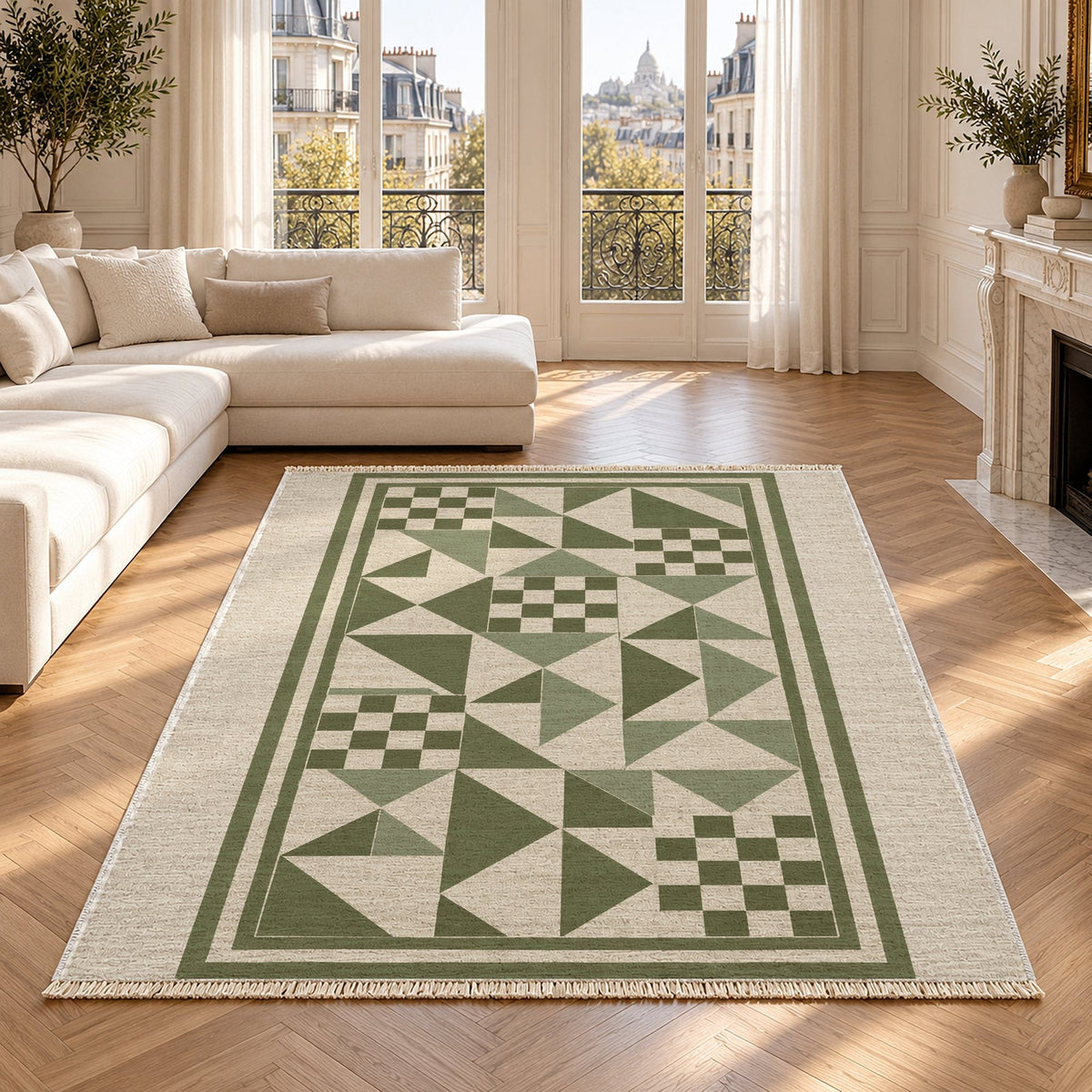
Few patterns travel as well as the ones woven in the Atlas Mountains. The irregular diamonds, zigzags and broken lines of a Berber rug look as natural in a London flat as they do on a riad floor, and they have become shorthand for a relaxed, characterful home. You do not need to fly to Marrakech to get the look. This guide explains what makes the style recognisable, how to choose a Berber-inspired rug, and how to build a room around it without tipping into themed decor.
Berber is a broad term for the textiles of the Amazigh peoples of North Africa, and it covers several distinct looks. Knowing them helps you choose the right mood.
What links them is an imperfect, human quality. Lines wobble, motifs vary in size and nothing is perfectly symmetrical. That irregularity is the charm, so look for designs that keep it.
The question is how much of the look you want. A neutral Moroccan style rug in ivory, oat or taupe gives you the pattern without the colour, which suits Scandinavian and minimalist homes. A striped or coral-toned design brings in the warmth and energy of the souk.
Folk-inspired flatweaves and handcrafted-looking patterns are one of the strongest returning trends, so this is a style that feels very current.

The rug should be the starting point, with everything else taking its cue. For a Berber living room that feels grown-up rather than themed:
Size the rug so the front legs of the sofa and chairs sit on it. In most UK living rooms that means 155×230 cm or 160×230 cm, or 200×300 cm for larger spaces.
The most enduring Berber colourways are drawn from the landscape: chalky ivory, oat, taupe, olive and clay. These sit perfectly with the warmer, earthier palettes forecasters expect to dominate the next couple of years, as grey falls out of favour. Coral and pink stripes are the playful exception and work well in bedrooms, kids' rooms and sunny kitchens.
If you want more choice in this direction, our bohemian rugs and geometric rugs cover both the neutral and colourful sides of the style.

 Sunwashed Mosaic Ivory & Olive Mediterranean Washable RugMade to order · 10 sizes · machine washableFrom£50
 Broad Bands Ivory & Olive Stripe Washable RugMade to order · 10 sizes · machine washableFrom£50
 Coral & Pink Afghan Kilim Stripe Washable RugLondon stock · ready to shipFrom£29
 Broken Chevron Ivory & Taupe Berber Washable RugMade to order · 10 sizes · machine washableFrom£50
The ivory classic in spirit: broken taupe chevrons on a light ground, with the slightly irregular rhythm that makes Berber patterns so appealing. Ideal for a calm, Scandinavian-leaning living room.
Wide ivory and olive stripes inspired by flatwoven kilims. It works beautifully as an 80×300 cm runner in a hallway or a large rug in an open-plan space.
A sun-faded mosaic geometric that bridges the Moroccan and Mediterranean looks. Like the two above, it is a designer washable rug, made to order in 10 sizes from £50.
For the colourful side of the style, this washable flatweave stripe in coral and pink comes from our London stock, dispatched in 1–2 business days, from £29. Perfect for a bedroom or a bright kitchen.
Traditionally, a rug woven by the Amazigh (Berber) peoples of North Africa, known for irregular diamonds, lines and natural colours. Today the term also describes rugs inspired by those patterns.
Yes. Neutral Berber-style designs are graphic enough for modern and Scandinavian rooms, and their hand-drawn feel softens clean lines.
Warm whites, sand, terracotta, olive and natural wood. Avoid cool greys, and repeat one accent colour from the rug rather than introducing new ones.
Start with the rug, keep the backdrop warm and simple, and let the imperfect lines do the rest. That is the whole secret of the look.
Style · 21 Oct 2026
Tonal decorating uses many shades of a single colour to create rooms that feel calm and enveloping. Here's how to make it...
Style · 21 Oct 2026
How to create rooms that feel collected over generations: patina, mixed eras, worn-in materials and an antique-look rug to tie it all...
Colour · 21 Oct 2026
Walls, ceiling, woodwork, even radiators in one colour: here is how to colour drench a room well, and the rug choices that...

